Oakland highlight
Highly diverse food
Home to one of the nation's oldest Chinatowns and historic neighborhoods representing Latino, African American and immigrant communities, Oakland's diverse population creates a distinctive food culture.
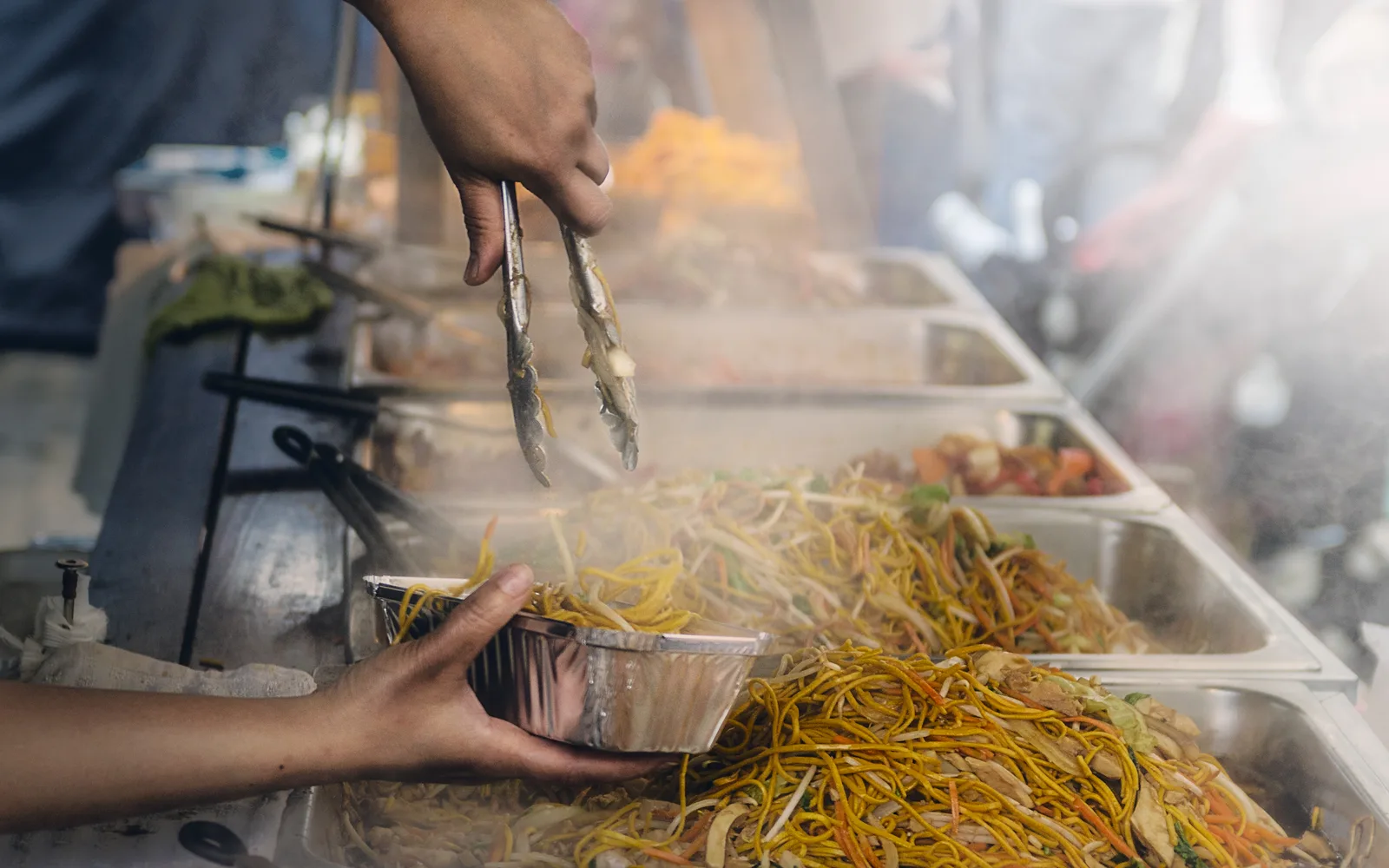
Oakland is one of California's most demographically diverse cities, the product of 150 years of migration and immigration. According to 2020 Census data, Oakland's population of 440,646 includes 27 percent Latino residents, 24 percent African Americans, 16 percent Asian residents, and 36 percent White residents, with substantial populations from the Middle East, South Asia, the Pacific Islands and Africa. This diversity is not a recent development but the result of successive waves of people arriving to work in agriculture, manufacturing, trade and shipping, each group establishing neighborhoods and traditions that persist for generations.
Oakland's Chinatown district is among the oldest in the United States, established during the Gold Rush era and continuously evolving through waves of Chinese immigrants and their descendants. West Oakland became a center of Mexican American culture during and after World War II, when Mexican workers arrived for jobs in agriculture and the port. Vietnamese, Cambodian and Laotian communities arrived in the 1980s and 1990s; Central American refugees established neighborhoods in East Oakland; East African, South Asian and Pacific Islander communities have grown steadily. This layering of communities has created deeply rooted food traditions: dim sum houses and noodle shops in Chinatown, Mexican bakeries and taquerias in the Mission, pho and banh mi restaurants, Indian curry houses, Eritrean and Somali cafes, and soul food restaurants reflecting generations of African American culinary tradition.
Diverse families in Oakland plan their lives around the places and traditions that matter most: the neighborhood where extended family lives, the restaurants that have fed generations, the schools their children attend with classmates from every continent. Life insurance protects those traditions by ensuring that the people who sustain them can do so for as long as the family needs. Different families have different obligations and timelines; a term policy can be sized to cover the years when dependents need support and reviewed when circumstances change.